23 Jul 2026
The Influence of International Breaks on Goal Expectations in Premier League Midweek Fixtures
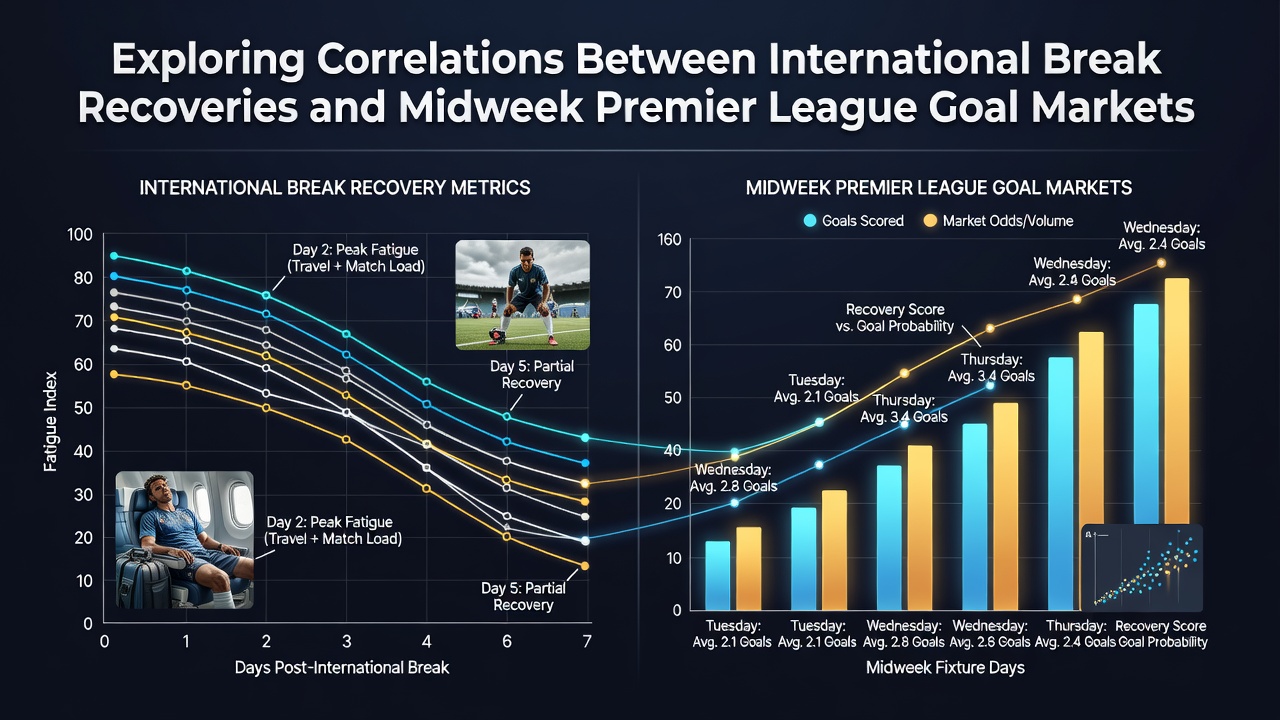
International breaks create distinct recovery windows for Premier League players who represent their national teams, and these periods often align with midweek domestic matches that feature altered goal market dynamics. Data from recent seasons shows that teams with higher numbers of international participants experience measurable shifts in scoring rates during the first fixture after such breaks, particularly when those matches occur on Tuesdays or Wednesdays.
Researchers tracking player minutes across national team schedules have identified patterns where extended travel and match intensity during breaks correlate with reduced high-intensity running in subsequent club games. This reduction appears most pronounced in forward positions, which in turn influences the volume of shots and expected goals recorded in those early post-break fixtures. League-wide statistics compiled through 2025 indicate that matches involving at least four returning internationals per side produce totals under 2.5 goals at a slightly elevated frequency compared with standard weekend rounds.
Recovery Timelines and Match Scheduling
Players typically return to their clubs between 48 and 72 hours before a midweek Premier League fixture, depending on the location of the international match and the travel involved. Medical staff at several clubs monitor heart-rate variability and muscle soreness markers during this window, and those datasets reveal that full physiological recovery often extends beyond the available preparation time. When two or more key attackers fall into this category, betting markets on total goals tend to adjust downward in the 24 hours leading up to kickoff.
Fixtures scheduled in late October and early November frequently follow the longest international windows of the autumn calendar, and analysts have noted consistent underperformance in goal tallies during those specific midweek slots. The same pattern emerges after the March international break, when European qualifiers add extra travel demands for players from multiple Premier League squads.
Statistical Evidence Across Seasons
Comprehensive reviews of Premier League data from 2018 onward demonstrate that teams returning from international duty average 0.3 fewer goals per game in their immediate midweek outing than their season-long mean. This figure rises to 0.5 goals when the opposition also fields multiple returning players. Such adjustments directly affect over/under markets, with bookmakers incorporating the variable into opening lines for those rounds.
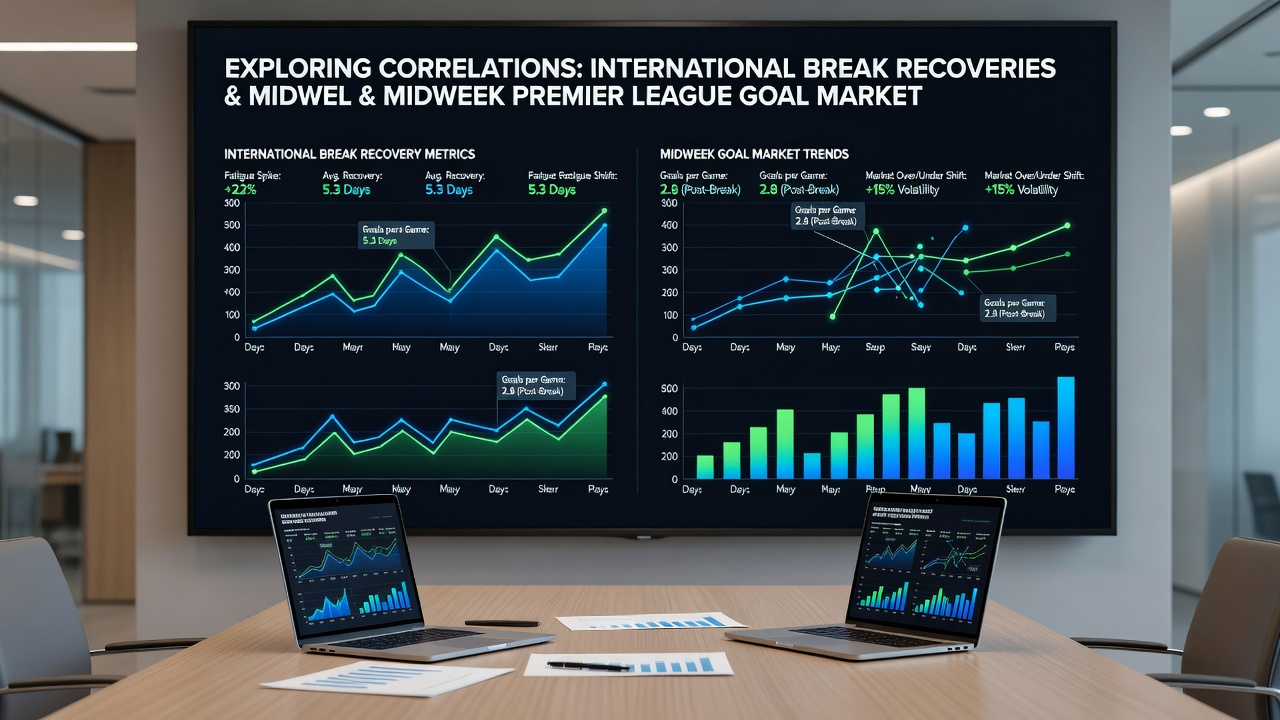
European governing bodies have published reports on player workload that support these observations, while academic studies from sports science departments in Australia and Canada have examined similar recovery metrics in other leagues. Those findings align with Premier League trends, suggesting the effect stems from physiological rather than tactical factors alone. In July 2026, updated squad tracking protocols are expected to provide even more granular data on post-break performance, potentially refining these correlations further.
Market Implications and Fixture Context
Goal markets respond to the volume of returning internationals because sharp bettors and syndicates adjust stakes based on historical under trends. Midweek rounds that follow FIFA dates therefore see increased liquidity on the under side of totals, especially when both teams sit in the middle or lower half of the table where defensive setups already predominate. Conversely, matches between sides with fewer call-ups maintain closer alignment with baseline goal expectations.
Fixture congestion compounds the recovery issue when clubs also navigate domestic cup ties immediately before or after the league game. Observers note that the combination of limited training time and accumulated fatigue produces fewer transitions and set-piece opportunities, both of which contribute to lower scoring outputs.
Conclusion
Available evidence indicates a measurable correlation between international break recoveries and suppressed goal tallies in the following midweek Premier League matches. Continued monitoring of player tracking data and medical metrics will allow for more precise quantification of this relationship as additional seasons unfold.