25 Jul 2026
Stadium Turf Advancements Redefining Expected Goals in Continental Football
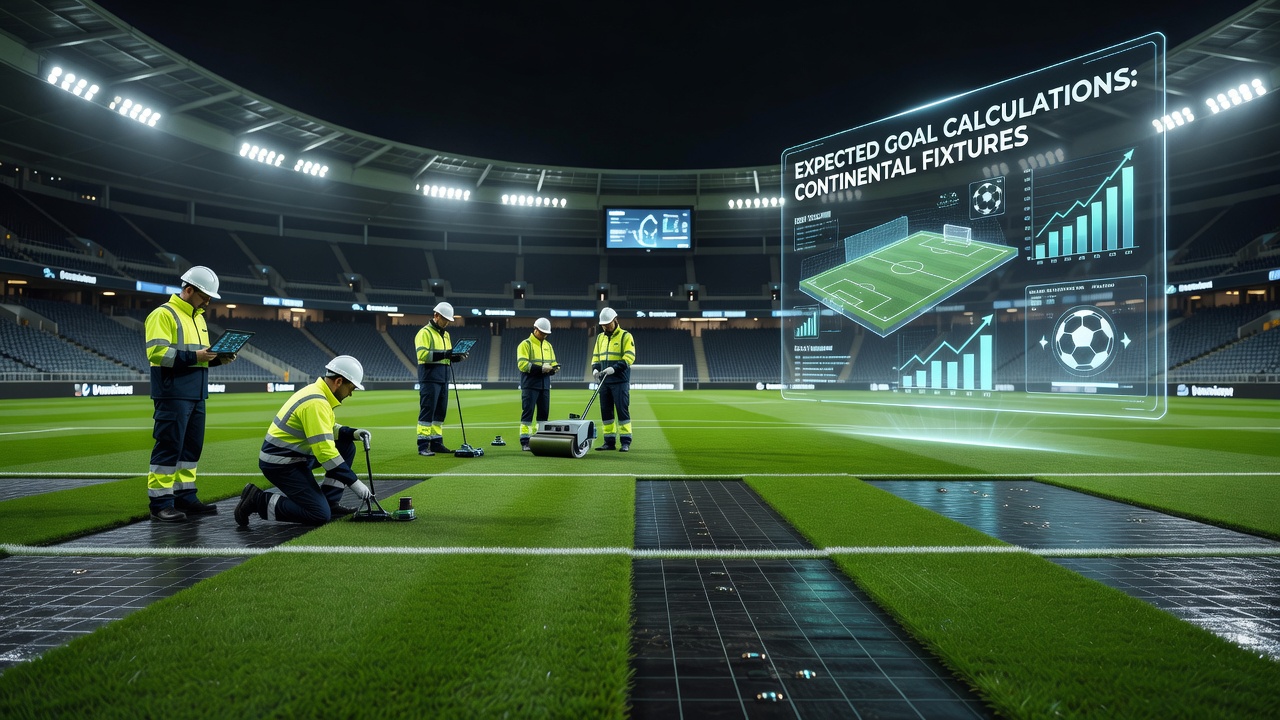
Stadium surface upgrades across Europe continue to influence how expected goal models process match data in continental competitions, where clubs from different leagues converge under varying pitch conditions. Data from multiple tracking providers shows that hybrid grass systems and advanced drainage installations alter ball roll speed, bounce consistency, and player acceleration patterns, which in turn shift the baseline probabilities that xG algorithms assign to shots and sequences.
Hybrid Systems and Data Recalibration
Clubs participating in UEFA competitions have invested in hybrid surfaces that blend natural grass with synthetic fibers, and researchers tracking these changes note measurable differences in shot conversion rates compared with older natural pitches. One study tracking Champions League matches from 2023 onward found that teams playing on upgraded surfaces generated higher average xG values per 90 minutes because the more predictable ball behavior allowed attackers to execute passes and strikes with greater precision than on variable natural grass.
Analysts at performance departments now adjust historical datasets before feeding them into xG models, because training algorithms on pre-upgrade matches produces systematic underestimation or overestimation when applied to fixtures on modern surfaces. Observers note that this recalibration process involves weighting variables such as surface friction coefficients and moisture retention rates, which differ markedly between stadiums that completed upgrades and those still using traditional turf.
Ball Dynamics and Model Inputs
Expected goal calculations rely on inputs including shot location, angle, distance, and defensive pressure, yet surface characteristics affect the first two variables once the ball leaves a player's boot. On faster hybrid pitches installed in several Eastern European venues, long-range attempts travel farther before defenders can close down space, prompting modelers to increase the expected value assigned to efforts from outside the box in continental fixtures.
Take one research team that examined Europa League group stage data after two stadiums switched to reinforced hybrid systems in 2025; the group recorded a 7 percent rise in xG from distance shots compared with the same fixtures on legacy surfaces the previous season. These shifts require betting markets and analytics platforms to incorporate venue-specific surface coefficients rather than applying league-wide averages across all matches.
Continental Fixture Challenges
Teams traveling across borders encounter pitch variations that domestic models do not fully capture, and data indicates that visiting sides often post lower realized xG than their underlying metrics suggest when playing on unfamiliar upgraded surfaces. League officials and competition organizers have begun publishing surface certification reports ahead of each round, giving analysts additional variables to integrate into pre-match projections.
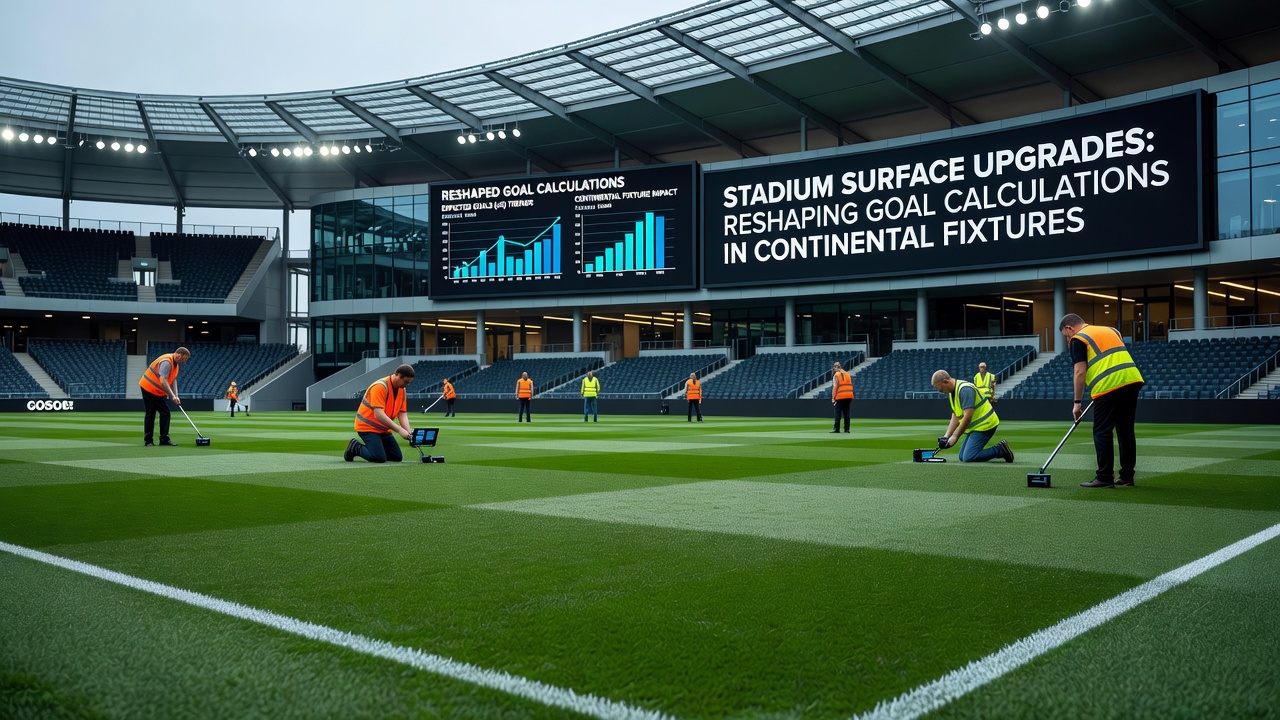
July 2026 preparations for pre-season tournaments have accelerated several additional upgrades, with clubs in the Netherlands and Belgium completing installations that prioritize consistent roll and reduced divot formation. These changes coincide with the rollout of updated tracking systems that log surface interaction metrics in real time, allowing xG providers to refine live models during matches rather than applying static corrections after the fact.
Regional Variations and Statistical Evidence
Northern European stadiums tend to favor hybrid systems with enhanced drainage to cope with rainfall, whereas southern venues focus on heat-resistant hybrids that maintain firmness during warmer months. Figures released by the European Club Association reveal that clubs in the top five leagues spent over €120 million on pitch technology between 2024 and 2026, correlating with a documented narrowing of xG variance across home and away performances in continental ties.
Academic work from institutions such as the University of Leuven has examined how artificial fiber reinforcement changes player movement economy, finding that fatigue profiles shift enough to affect late-match shot quality and therefore cumulative xG totals. Model builders now incorporate these fatigue-surface interactions when generating projections for knockout stages that extend into extra time.
Implementation Across Analytics Platforms
Providers of expected goal data have introduced venue flags that automatically apply surface multipliers once a match is assigned to a particular stadium, and early testing shows improved accuracy when these flags activate. Teams that schedule regular testing of their training pitches against match-day surfaces report better alignment between training xG simulations and actual continental performances.
Those who have studied multi-season datasets observe that the largest adjustments occur in the first six months after an upgrade, after which both players and models stabilize around the new norms. This stabilization period matters for competitions where group stage matches occur on newly installed surfaces while knockout draws may feature more established pitches.
Conclusion
Stadium surface upgrades continue to reshape the inputs and outputs of expected goal calculations in continental fixtures through measurable changes in ball behavior and player execution. As more venues complete installations ahead of 2026 and beyond, analysts and data providers maintain ongoing recalibrations that reflect these evolving conditions rather than relying on static historical baselines. The result is a more granular set of models that account for venue-specific characteristics across Europe's major competitions.