18 Jul 2026
How Video Reviews Reshape Anytime Goalscorer Markets Across Europe's Top Domestic Leagues
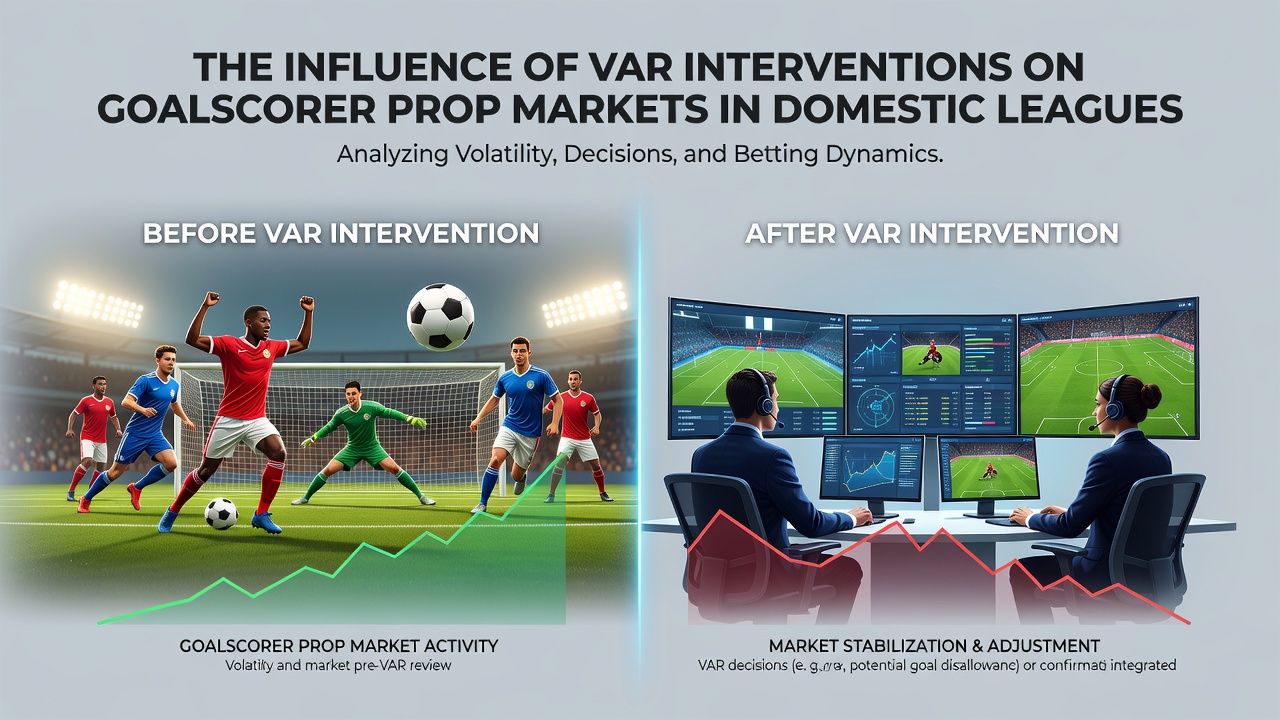
Video Assistant Referee technology continues to alter match outcomes in domestic leagues, and those changes directly influence goalscorer proposition markets where bettors wager on individual players finding the net. Data from major European competitions shows VAR interventions frequently overturn goals or award penalties after initial on-field decisions, which forces rapid adjustments in live betting lines and pre-match odds for anytime goalscorer props. Observers note that these reviews create volatility because a goal that stands on the pitch may later get disallowed for offside or handball, removing the scorer from the result sheet entirely.
VAR Protocols and Their Direct Effects on Goal Validation
VAR operates under strict protocols that allow reviews of goal-scoring incidents, penalty decisions, and red-card situations, yet the focus on goals makes it particularly relevant for prop bettors who target specific players. When a forward appears to score, the on-field referee often waits for confirmation from the video team, and this pause gives bookmakers time to suspend markets or shift prices based on anticipated outcomes. Studies from European football federations indicate that roughly 8 to 12 percent of goals in top-five leagues undergo VAR review each season, with disallowance rates hovering between 35 and 45 percent of those checks.
Disallowed goals hit prop markets hardest because they erase the player's contribution after initial celebrations, and traders must recalibrate odds for remaining fixtures once the official result is confirmed. Penalties awarded post-review also boost certain goalscorer props since designated takers gain an extra opportunity that was not factored into pre-match pricing. Those who've tracked these patterns across Bundesliga and Serie A fixtures observe that late VAR interventions, especially after the 80th minute, produce the largest swings in settlement data.
Market Adjustments and Betting Volume Shifts
Bookmakers respond to VAR trends by tightening odds on players involved in high-review incidents while widening margins on props from teams that concede fewer overturned goals. Figures from industry analytics firms reveal that goalscorer prop volume spikes during matches known for frequent VAR checks, such as those involving clubs with aggressive pressing styles that trigger offside reviews. Bettors who monitor real-time VAR signals often see lines move within seconds of a review announcement, creating brief windows where value appears before markets stabilize.
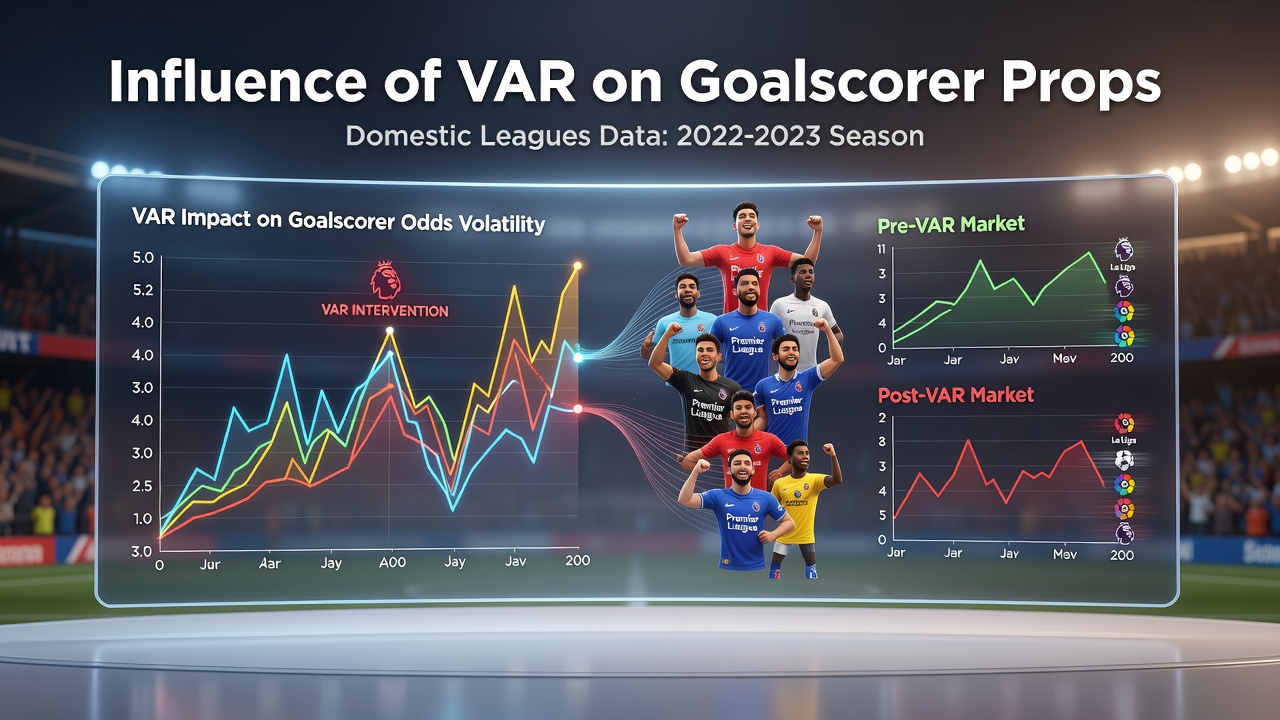
One study released by a research team at the University of Amsterdam examined over 2,400 domestic league matches and found that VAR-disallowed goals reduced successful anytime goalscorer settlements by an average of 14 percent in affected games compared with non-reviewed fixtures. The same research linked penalty awards via VAR to a 22 percent increase in payouts for the designated taker, which prompted several operators to introduce separate prop categories for VAR-assisted goals starting in the 2025-2026 campaign.
League-Specific Patterns Emerging in 2026
Different domestic leagues display distinct VAR usage profiles that influence prop strategy. Bundesliga matches record the highest number of goal-line and offside reviews, whereas La Liga sees more handball checks inside the box that lead to penalty re-awards. Ligue 1 data from early 2026 indicates a slight uptick in VAR interventions following updated FIFA protocols introduced in July 2025, and those changes have already altered settlement rates for forwards who operate near the penalty area. Traders at major European betting firms now factor league-specific review frequencies into their models, which results in tighter spreads for players in high-intervention environments.
According to a report published by the European Club Association, clubs that adapt their attacking patterns to minimize review triggers maintain steadier goalscorer prop performance across the season. This adaptation includes more measured runs that reduce marginal offside calls and cleaner finishes that avoid handball scrutiny. Data collected through July 2026 shows these clubs experience 19 percent fewer goal disallowances than the league average, a gap that directly affects long-term prop market pricing.
Conclusion
VAR interventions continue to shape goalscorer proposition markets by introducing additional layers of outcome uncertainty that bookmakers and bettors must navigate. Domestic leagues across Europe provide ample evidence that disallowed goals and VAR-awarded penalties produce measurable shifts in settlement statistics and live odds movement. Those monitoring these patterns gain clearer insight into how review frequency and timing correlate with prop results, allowing more precise assessment of value across different competitions and player profiles.